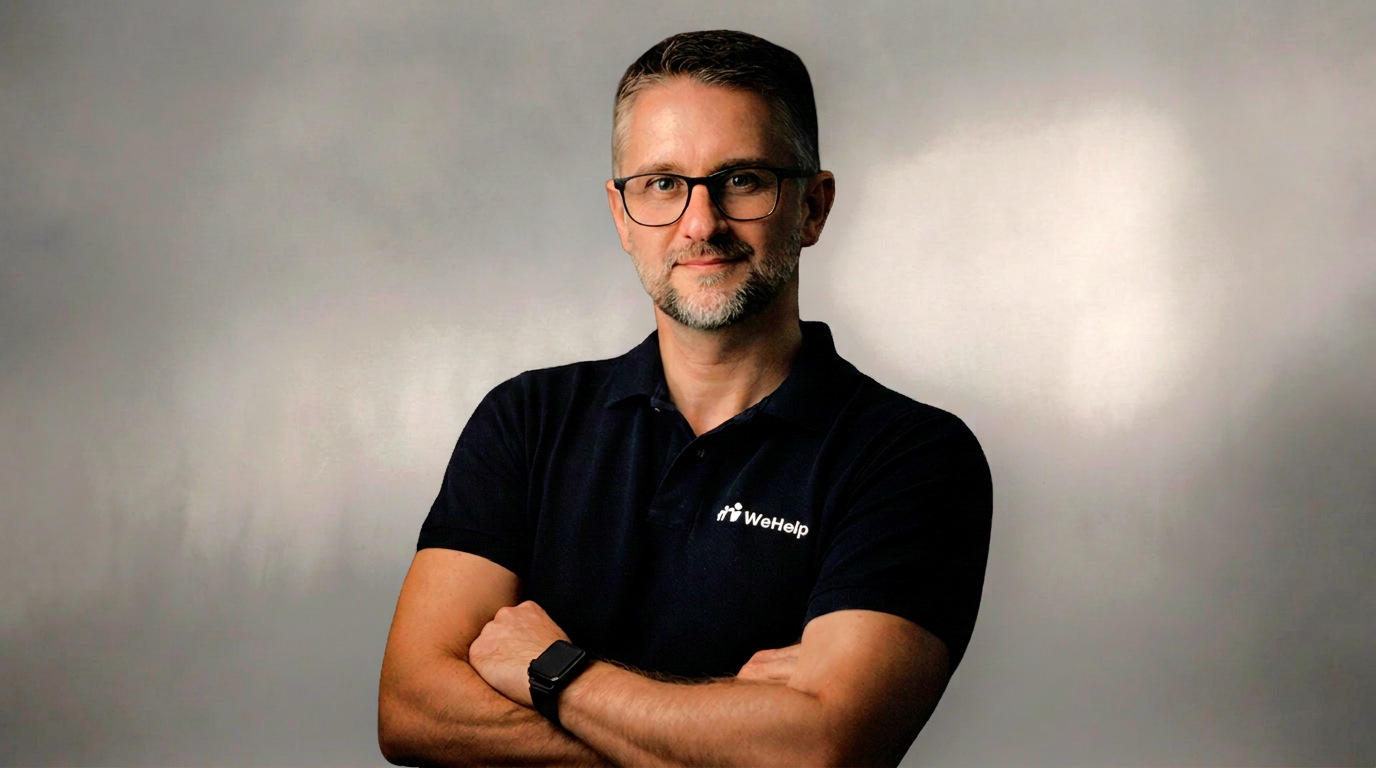
Gyms have processes for sales, cleaning, maintenance and finance. Retention, however, often remains a number on a dashboard rather than a defined way of working. For Rogerio Aranda, that distinction is the starting point for WeHelp, the customer experience management platform he founded.
“In my view, managers treat retention as a KPI, not as a management process”, he says. “A KPI only tells you the result. A process is what changes it”, he adds.
Aranda’s perspective comes from 20 years within the Bio Ritmo / Smart Fit group, where he progressed from swimming instructor to coordinator, manager, regional director and Director of Customer Experience. Each role brought him closer to understanding what members experience inside a gym, and what operators need to do with that information.
Beyond the score
WeHelp began as an NPS platform, but Aranda saw a gap between collecting a Net Promoter Score and applying the wider Net Promoter System. Getting the information he needed to improve customer experience still involved too much manual work. His response centered on three priorities: automate processes, allow personalization without losing the methodology’s purpose, and use both to generate better information.
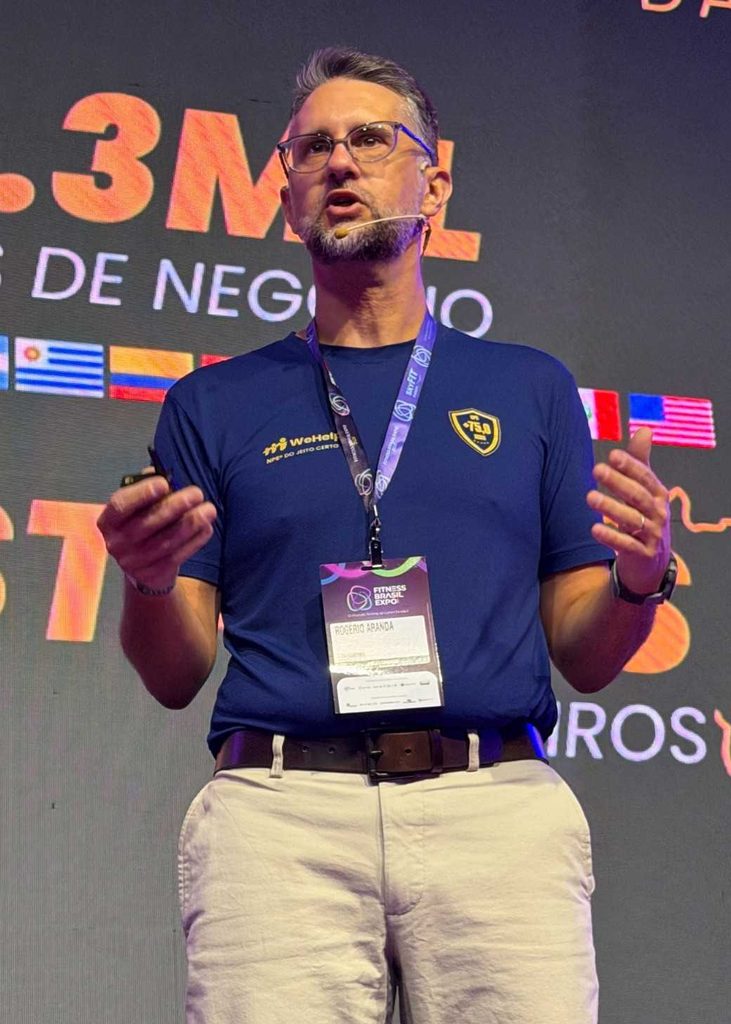
Over time, the platform expanded beyond NPS into customer experience management focused on retention. “I learned, once again, that the metric matters less than the process”, Aranda explains. That process means listening to customers, analyzing data, turning it into information and acting on what it reveals.
The software connects those stages through survey, service and retention modules. Automated surveys reach a portion of the customer base each day; the service module captures feedback at friction points in the member journey; and a proprietary churn-risk model identifies customers who may be at risk of leaving, giving managers an opportunity to intervene before cancellation. The emphasis is not simply on collecting more feedback, but on making it usable in daily operations.
What the data brings back into focus
Technology does not necessarily reveal a demand for something new. According to Aranda, WeHelp collects more than 3.5 million customer responses annually, and three factors always stand out in members’ evaluations: equipment variety, equipment maintenance and instructor attention. “This holds for low-cost HVLP gyms and for premium clubs alike”, he says. “For me, the secret is to deliver what was promised at the sale”, he adds.
The model for interpreting this experience is called DNA. The demands are the operational fundamentals, ranging from cleanliness to the proper functioning of equipment; eliminate friction and generate satisfaction. The needs are related to members’ goals, whether it’s getting stronger, improving health, or socializing; deliver on these and foster retention. Aspirations involve human connection, personalization, and hospitality; surprise members and earn their loyalty. For operators, the distinction matters: fixing a broken machine, helping someone progress and recognizing a meaningful moment in their life serve different purposes. A retention process needs room for all three.
The human response still matters
Aranda recalls a member who went through a difficult pregnancy while he was a gym manager. After her son was born, he gave her a baby outfit printed with the gym’s logo, thanking her for trusting the team during that period. That was in 2005. He says both mother and son remain members of the same gym.The gesture cost little, but it illustrates the part of customer experience that software cannot deliver on its own. Information can guide attention; the team still has to respond.
For Aranda, an engaged, customer-focused team and consistent measurement belong together. His advice is direct: “Prevent friction in your operation, commit to your members’ goals, and keep your team always alert for chances to surprise them”, he says.
Explore the approach: WeHelp | Rogerio Aranda