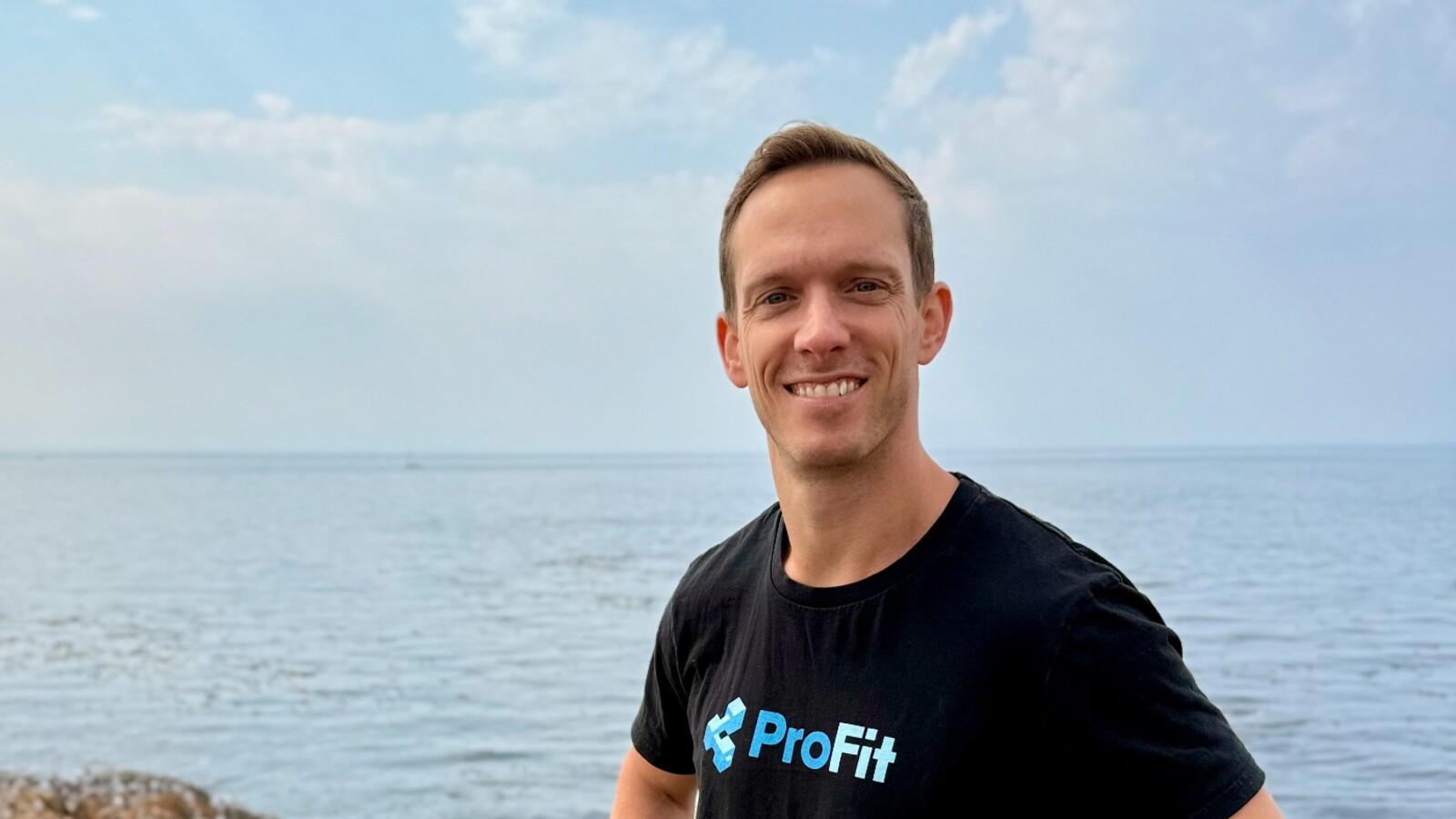
Every time work took Matt Morgan to a new city, he found his people at the local gym. They trained together, pushed one another and became friends. Then he would move again, leaving the place behind along with the connections he had made there. Pro Fit began, in part, with a personal question: how could that sense of community continue when everyone was no longer in the same room?
Matt had spent years both training and building software. He also kept seeing capable coaches struggle to earn a living from their knowledge, while gym owners managed tight margins and an assortment of tools for bookings, payments and member communication. “The knowledge was there”, he explains. “What was missing was a good way to turn it into a living”.
His answer was not to build a social app and ask fitness businesses to adapt to it. It was to bring the activities that already connect them into one place.
From the competition floor outward
Pro Fit started with events. Matt had seen organizers juggling spreadsheets, cumbersome registration forms and manual scoring. The platform now gives them tools to manage sign-ups, divisions, schedules, judges and results, while athletes can register, submit scores and follow a leaderboard.
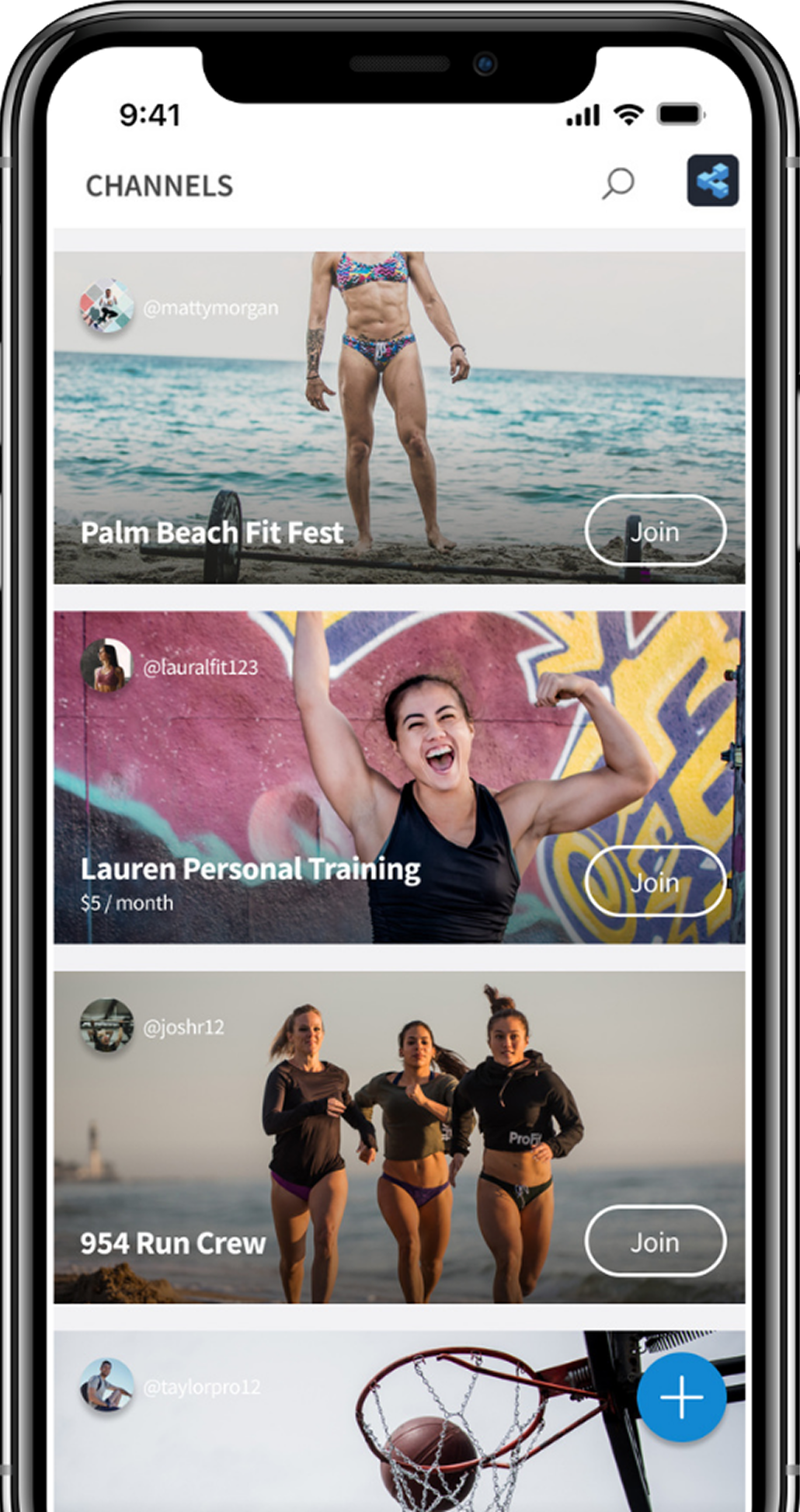
From there, the product grew in response to what its users needed between competitions. Channels give coaches and fitness communities a place to share content, post workouts, message members and schedule classes or individual sessions. Programs let trainers build workouts that people can purchase and complete at their own pace, with options for different levels and coaching feedback. Gym tools cover the daily work of running a space, including class bookings, memberships, payments and programming.
“The reason there’s one app instead of four is that real fitness life doesn’t divide itself so neatly”, Matt explains. A gym hosts competitions. A coach sells a program. The people who meet through both want somewhere to stay connected. Pro Fit is designed to let those parts of the experience work together for athletes, coaches, organizers and owners.
Making expertise count
Matt is particularly interested in the coach whose work matters deeply to a smaller group of people. That might be a lifting coach known across one city or a running coach who helps clients prepare for their first marathon. Neither needs a huge following to have something valuable to offer.
“A smaller, engaged audience is worth more than a large one that ignores you”, he argues. Through channels and programs, he wants coaches to have ways to share their expertise, work directly with members and earn from the communities they have built. For gym owners, his concern is similar: software should make the operation easier to run, not become another obstacle to keeping it healthy.
That thinking shapes how Matt judges the product itself. “There’s a big difference between an app you have to use and one you want to use”, he says. Hearing that members can book a class without help from the front desk, or that an organizer’s event ran smoothly, means more to him than adding a feature for its own sake.
A bigger ambition, grounded in daily use
Matt’s goal is for Pro Fit to become a leading platform for fitness worldwide. He is clear, though, that scale alone would not make it a success. The test is whether someone can find a community that keeps them training, while the coach, organizer or gym owner behind that experience can build a sustainable business.
For now, that means listening to the people using Pro Fit, improving the tools already in place and continuing to connect parts of the industry that usually sit in separate apps. The idea takes Matt back to those gyms in unfamiliar cities: fitness is rarely just the workout. It is also the people who make you want to return.
Stay connected: Pro Fit | @pro_fit_app | Pro Fit Facebook